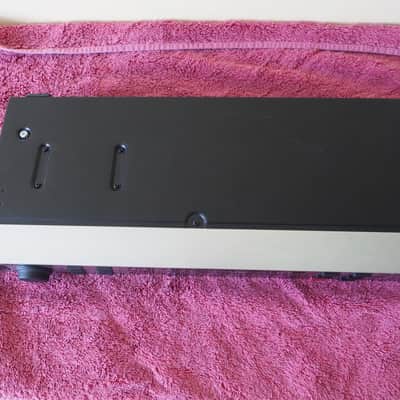
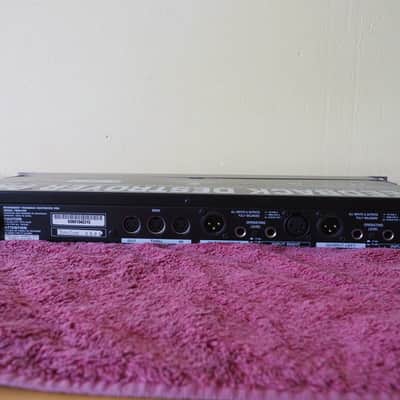
Behringer FBQ2496 Feedback Destroyer Pro 2010s - Standard


Great Value
Our users rate Reverb
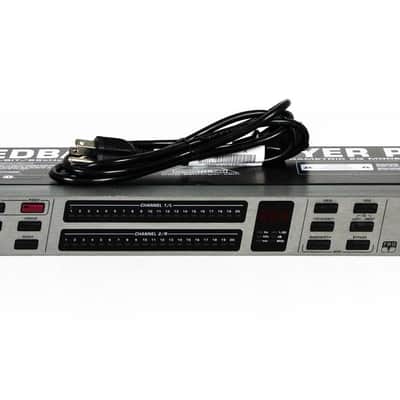
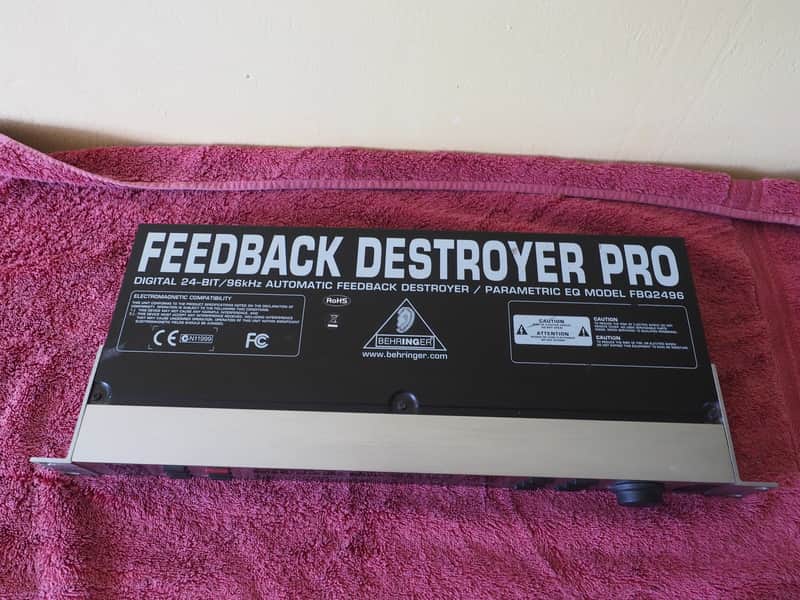
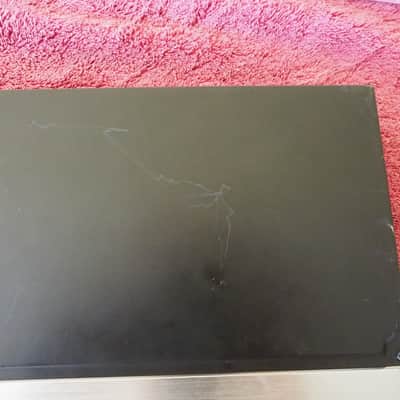
I’ve read mixed reports and had mixed experiences with feedback destroyers. If left unchecked, they do have a tendency to keep cutting frequencies until all the life is sucked out of your sound. However, when you’re performing and don’t have a free pair of hands to take down a fader, they can be a godsend. In my experience, the best way to use them is to seek out the worst offending 4-6 frequencies at soundcheck and tame these with ‘fixed’ filters, and then use the remaining filters as ‘live’ so that they only jump in for a limited time. This stops the unit going ‘rogue’ whilst giving you a few extra dBs of volume and an insurance policy against runaway feedback. It did take a bit of working out how to do this, but the end result was worth it. I’ve since upgraded to a more expensive model with more of a graphical display which I prefer. Also, my latest mixer has feedback detection built in, so this unit is surplus to requirements. It's in pretty good nick, apart from a scratch on the bottom (see photo) which doesn’t affect performance and is invisible in use.
In short, these days, I wouldn’t want to be without a feedback destroyer, unless I could afford a dedicated sound engineer instead, which I can’t! This unit will do a great job for you, if you put in a bit of time working out how to allocate the number of ‘fixed’ and ‘live’ filters.
This item is sold As-Described
This item is sold As-Described and cannot be returned unless it arrives in a condition different from how it was described or photographed. Items must be returned in original, as-shipped condition with all original packaging.Learn More.
| Listed | a year ago |
|---|---|
| Condition | Very Good (Used) Very Good items may show a few slight marks or scratches but are fully functional and in overall great shape.Learn more |
| Brand | |
| Model |
|
| Finish |
|
| Categories | |
| Year |
|
| Made In |
|
Product safety information may be available here.