Compare 44 from £50
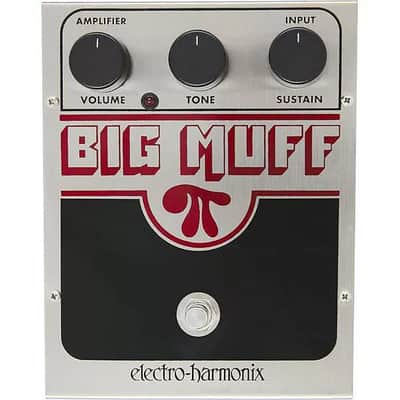
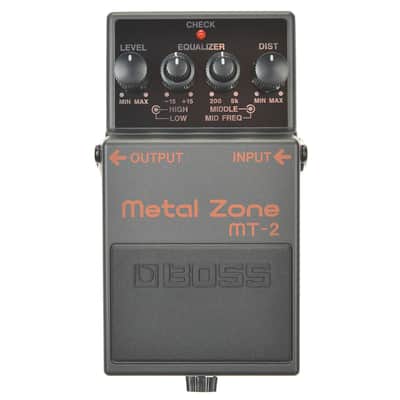
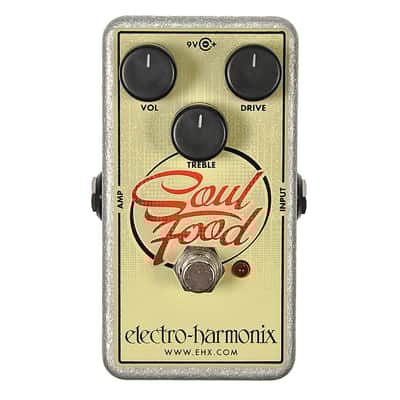
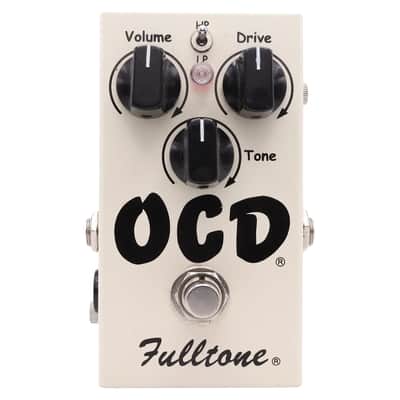
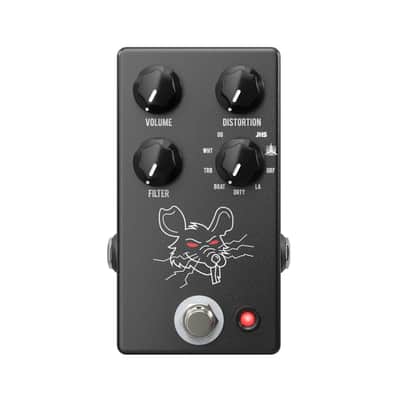
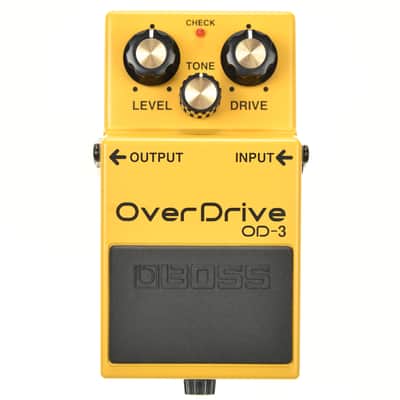
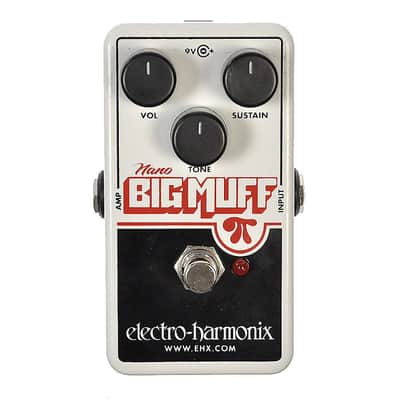
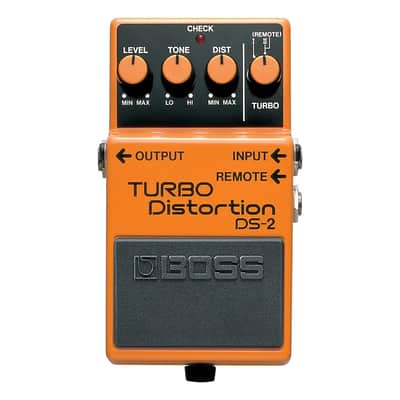
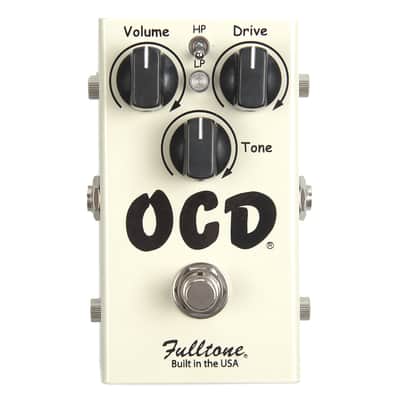
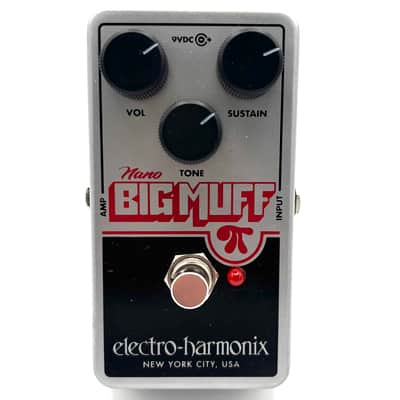

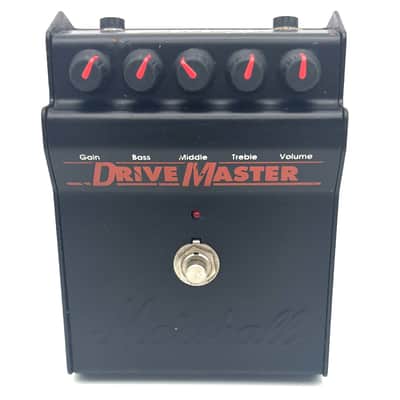


The most focused and straight-up-aggressive of the effects, distortion has been an essential ingredient of rock music for decades. Whether it’s created by cranked tubes, hot analog circuits, or software emulation, guitarists, producers, and DJs alike continue to use distortion in new and compelling ways.
A distortion pedal uses a chip, LED, or other analog component to create clipping, attempting to push too much gain into an input. The amount of clipping, or distortion, is often adjustable with a gain knob. Usually, there is a level control to limit or increase how much this new gain changes the output volume. Many distortion pedals include a tone adjustment or more complex EQ.
To some extent, the terms are interchangeable and can often be applied to the same device. Generally, overdrive is the most mellow of the three, providing light clipping. Distortion tends to be more predictable and focused than fuzz. For a more in-depth explanation and exploration, see our guide on the differences between overdrive, fuzz, and distortion here.
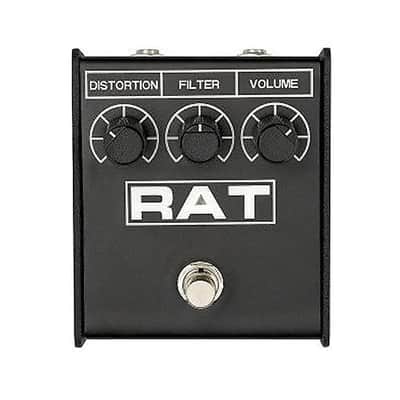
A mainstay in the distortion market, the ProCo Rat with its simple controls and powerful filter, is so popular that we made a ProCo Rat guide for all its variations, including the 1981 Inventions DRV. For guitarists looking for an expanded option, the Empress Heavy combines two distortions in one box.
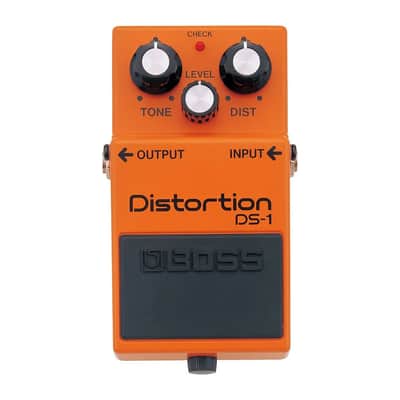
For many metal guitarists wanting a tight distortion, a pedal with EQ adjustments, like the Boss Metal Zone will provide more focus and control. Players relying mainly on their amp’s tube distortion may want a tube screamer-style circuit, like the EarthQuaker Devices Plumes, or a simple Boss DS-1 to push the amp further for solos and grinding riffs.
Your purchases help youth music programs get the gear they need to make music.