Overdrive and Boost Pedals

See All Listings

Popular Overdrive and Boost Pedals

  • Boss

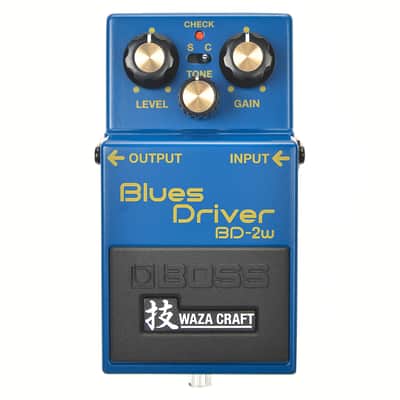
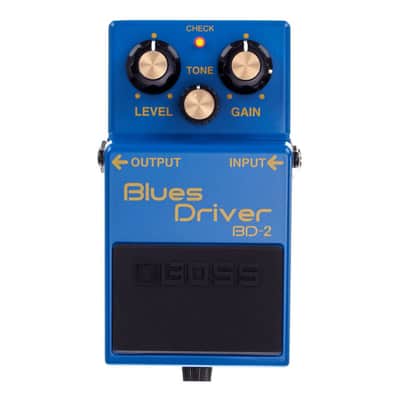
    BD-2 Blues Driver

    Effects and PedalsOverdrive and Boost
    Compare 34 from €80
  • ProCo

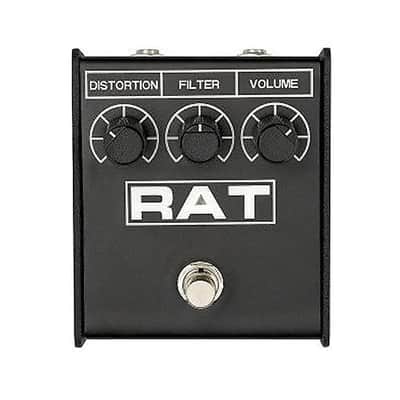
    RAT 2 Distortion

    Effects and PedalsDistortion
    Compare 28 from €79.99
  • JHS

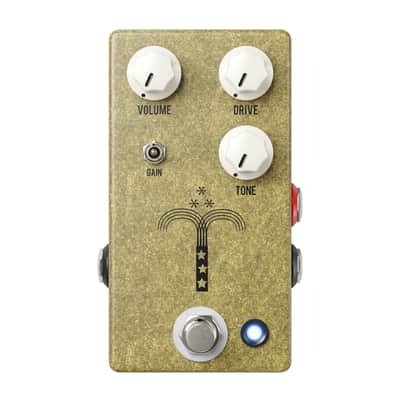
    Morning Glory V4

    Effects and PedalsOverdrive and Boost
    Multiple Finishes
    Compare 42 from €156.94
  • Xotic

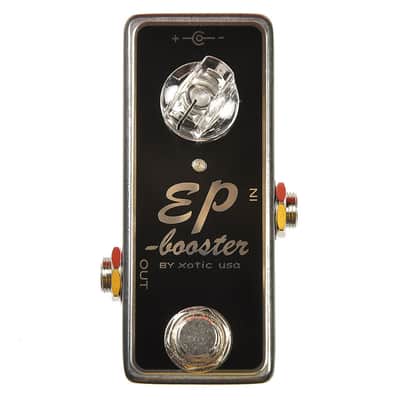
    EP Booster

    Effects and PedalsOverdrive and Boost
    Multiple Finishes
    Compare 17 from €90.75
  • Warm Audio

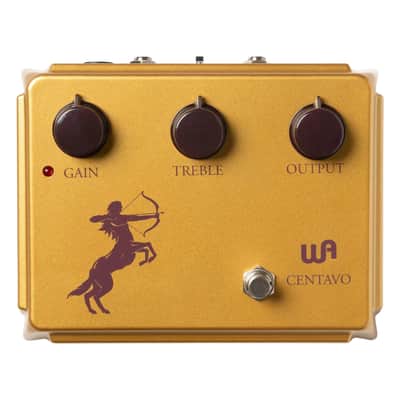
    Centavo

    Effects and PedalsOverdrive and Boost
    Multiple Finishes
    Compare 20 from €118.79
  • Fulltone

    OCD V1 Series 4

    Effects and PedalsDistortion
    Compare 30 from €130
  • Ibanez

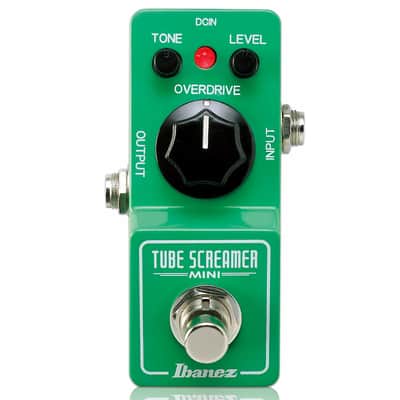
    Tube Screamer Mini

    Effects and PedalsOverdrive and Boost
    Compare 29 from €65

Used Overdrive and Boost Pedals

New Overdrive and Boost Pedals


Deals and Steals


Price Drops on Overdrive and Boost Pedals


Overdrive and Boost Pedals For Sale

In 1977, a Japanese company released what is regarded as the first overdrive pedal, the Boss OD-1. Fuzzy tones, distortions, and preamps had seen use prior to this influential release, but the OD-1 helped form the flavor of overdrive used to push tube amps to extremes and add bite to solid state amplifiers.

Almost a decade earlier, Mike Matthews had developed, manufactured, and marketed the LPB-1, the first Electro-Harmonix pedal: a boost effect which accomplishes many of the same results as the OD-1. As part of its early line of compact stompboxes, MXR released the Micro Amp, also marketed as a preamp, another boost pedal still produced today.

Decades later, boost and overdrive are essential parts of every kind of music played with electric guitars. Some contemporary designs combine boost and overdrive in one pedal, either to push the overdrive toward distortion, or conveniently add boost to a crowded pedalboard.
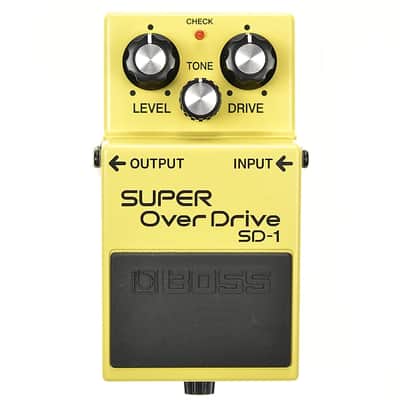
What is the difference between overdrive and distortion?

While there is certainly overlap between the two effects, and they often use similar components, distortion usually describes the more extreme end of drive pedals.

What is the best overdrive pedal for tube amps? For blues?

Throughout the 1980s, Stevie Ray Vaughan and other-like minded rock and blues players bucked the trend of huge rack-based rigs with relatively small, and more affordable, pedalboards.

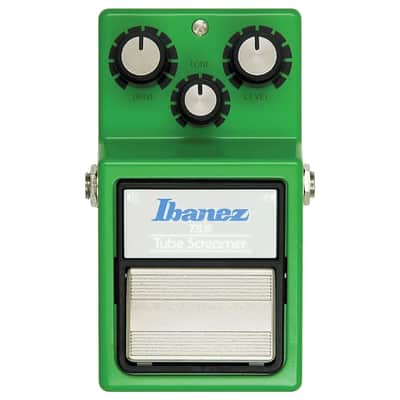
SRV helped popularize the Ibanez Tube Screamer. It’s seen many variations, revivals, and copies, but TS-based circuits continue to excel at adding character to lifeless amps, and see heavy use as dirty boosts for leads and to drive tube amps into breakup. For a modern take, check out the Wampler Clarksdale.

What is the most versatile overdrive pedal?

While most overdrive pedals have a range from clean boost to distortion, the Boss OD-200 implements a mix of analog components and digital modeling to provide 12 varieties of boost, overdrive, distortion, and fuzz. If you prefer a boutique all-analog approach, the EarthQuaker Devices Palisades and Smallsound/Bigsound Mini both offer an almost infinite range of dirty tones.

Where should I place a boost pedal in my signal chain?

Boost and overdrive are two of the most versatile effects when it comes to placement. There’s really no wrong answer.

If you’re wanting to push your amp’s preamp, or another dirt pedal, place the boost before its input. If you’re looking to make every element of your sound louder for solos or choruses, place the boost toward the end of your pedalboard.

What is the best bass boost pedal?

While some builders market boost pedals specifically for bass, the Xotic EP Booster—with its warm, vintage-inspired tone—is an excellent option for bassists looking to increase volume and low-end. And its mini footprint makes it perfect for even the smallest pedalboards.

Reverb Gives

Your purchases help youth music programs get the gear they need to make music.

Oops, looks like you forgot something. Please check the fields highlighted in red.