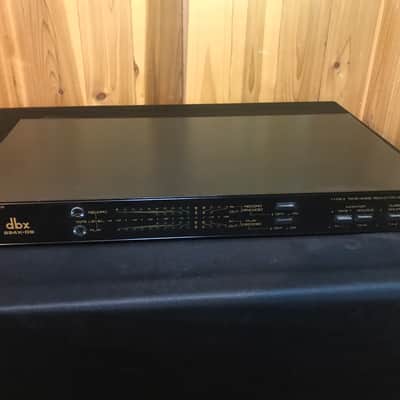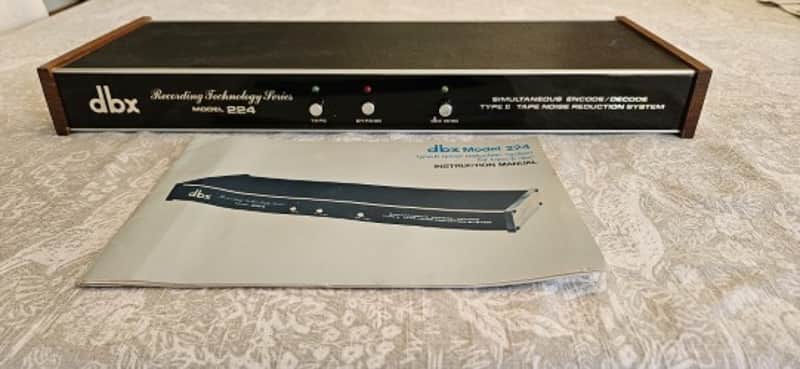
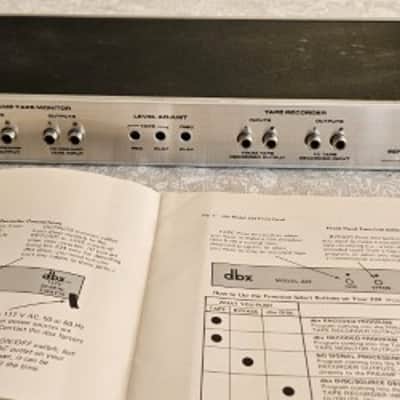

dbx 224X-DS Type II Tape Noise Reduction System 1980s - Black
This seller has not set a shipping cost for Luxembourg. Please contact them to ask about shipping.

Our users rate Reverb
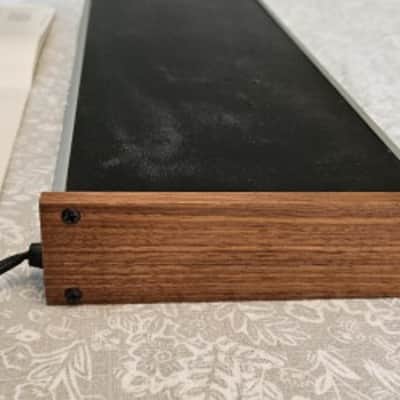
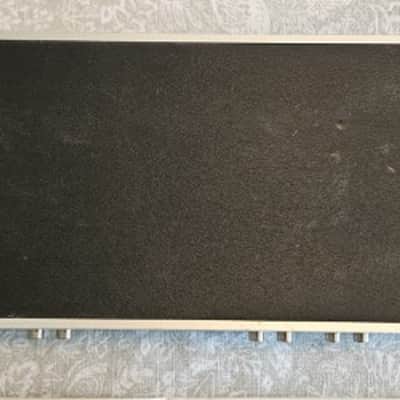
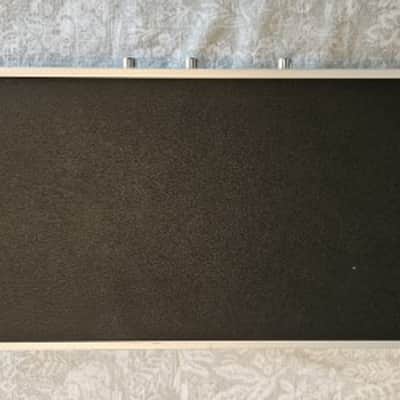
This unit works perfectly and is in excelent cosmetic shape, with only some very slight hazing on the top panel. The great thing about this is not only will it decode DBX albums, but it will work great with two or THREE-head tape decks.
Here are the details about the DBX 224:
The dbx Model 224 is one of the more interesting and useful vintage audio processors from the late analog era. Unlike some hi-fi “enhancers” that mainly added flashing lights and questionable science, the dbx 224 performed a very real and very effective function: dramatically reducing tape hiss and increasing dynamic range on cassette and reel-to-reel recordings.
For people who used high-end cassette decks in the late 1970s and early 1980s, dbx noise reduction could sound almost miraculous.
The dbx 224 was manufactured approximately:
1981–1984
It came out during the peak years of serious home taping, when:
cassette decks were becoming genuinely high fidelity,
metal tape formulations were improving,
and companies were trying to overcome the inherent limitations of analog tape.
The 224 was part of the famous family of consumer dbx processors made by dbx, Inc..
What It Does
The dbx 224 is a:
2-channel encode/decode noise reduction processor
It uses the classic:
dbx Type II noise reduction system
designed specifically for consumer tape formats like:
cassette,
open reel,
and some VHS Hi-Fi audio setups.
How dbx Noise Reduction Worked
The system used:
compression during recording,
and complementary expansion during playback.
In simple terms:
During Recording
The unit compresses the dynamic range:
soft sounds become louder,
loud sounds are controlled.
This pushes quiet music above the tape hiss floor.
During Playback
The unit expands the signal back to normal:
restoring dynamics,
while simultaneously reducing hiss dramatically.
The result:
much quieter backgrounds,
improved dynamic range,
and cleaner recordings.
And unlike Dolby B, which reduced hiss mostly in high frequencies, dbx attacked noise across the entire audio spectrum.
Major Features:
1. True Broadband Noise Reduction
This was the big advantage.
The dbx system could provide:
roughly 30 dB of noise reduction
which was enormous for the era.
Cassette recordings made with dbx could sound:
startlingly quiet,
highly dynamic,
and surprisingly close to source material.
2. Dynamic Range Expansion
dbx systems also effectively increased usable dynamic range.
Benefits included:
stronger bass impact,
cleaner quiet passages,
less tape saturation audibility,
and improved transient response.
On a good cassette deck with metal tape, the results could honestly be impressive.
3. Tape Monitor Integration
The 224 was designed for easy integration into:
Tape monitor loops,
cassette deck record/playback loops,
or processor loops.
This allowed:
encoding during recording,
decoding during playback,
and bypass comparison.
4. Multiple Tape Deck Capability
The 224 supported:
more than one tape deck configuration,
dubbing flexibility,
and monitoring arrangements.
This made it popular with serious home recordists.
Visually, it fits perfectly into a classic silver-face or black-rack hi-fi setup.
Benefits
Cassette Tapes Could Sound Shockingly Good
This was the main attraction.
Without noise reduction:
cassette hiss was always present.
With dbx:
backgrounds became eerily quiet,
dynamic swings improved,
and recordings gained real impact.
Many listeners felt dbx-equipped tapes could rival open-reel quality under the right conditions.
Many enthusiasts preferred dbx over:
Dolby B, and even Dolby C, because the hiss reduction was much stronger,
and the sound often felt more open and dynamic.
However…
Downsides:
Playback Compatibility
A dbx-encoded tape must be decoded properly.
If played without dbx decoding:
the sound becomes wildly compressed,
pumping, unnatural, and nearly unlistenable.
Dolby tapes could often be played acceptably without decoding.
dbx tapes generally could not.
Can Reveal Tape Problems
dbx systems were extremely sensitive to:
Specifications (Approximate)
Typical specs include:
Noise reduction:
approximately 30 dB
Dynamic range improvement:
roughly 90 dB+ total system capability
Frequency response:
approximately 20 Hz – 20 kHz
THD:
very low for consumer gear
Inputs/outputs:
RCA line-level
Processing:
dbx Type II encode/decode
Current Market Value (2026)
Values depend heavily on:
functionality, cosmetic condition, and whether calibration remains accurate.
Typical market ranges:
Condition Approximate Value
Non-working / parts $40–80
Working with issues $80–150
Good working condition $175–300
Excellent serviced condition $300–450
Mint with box/manual $450–600+
A clean, fully functional unit in good cosmetic condition, with proper encode/decode operation, typically sells around $200–350 depending on collector interest and timing.
Collector Appeal Today:
The dbx 224 remains desirable because cassette culture has resurged, vintage hi-fi is collectible, and dbx systems genuinely worked.
It especially appeals to: cassette enthusiasts, reel-to-reel hobbyists, and vintage stereo collectors.
It also represents a fascinating era when engineers fought tape hiss with increasingly sophisticated electronic wizardry instead of simply saying:
“Maybe someday music will just become digital.”
Which, of course, it eventually did.
This item is sold As-Described
This item is sold As-Described and cannot be returned unless it arrives in a condition different from how it was described or photographed. Items must be returned in original, as-shipped condition with all original packaging.Learn More.
| Listed | 15 days ago |
|---|---|
| Condition | Excellent (Used) Excellent items are almost entirely free from blemishes and other visual defects and have been played or used with the utmost care.Learn more |
| Brand | |
| Model |
|
| Finish |
|
| Categories | |
| Year |
|
Product safety information may be available here.