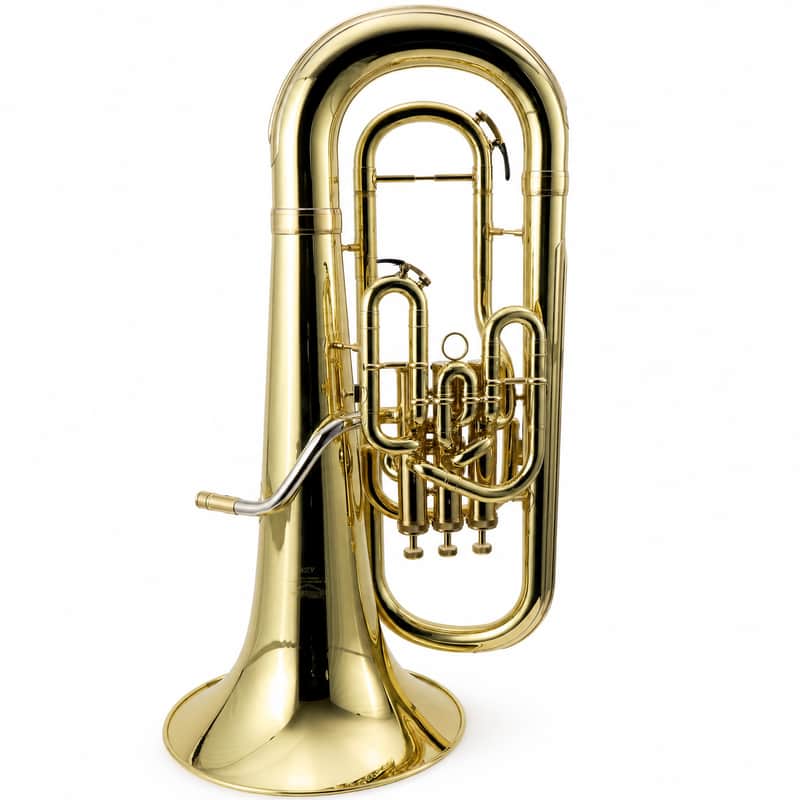

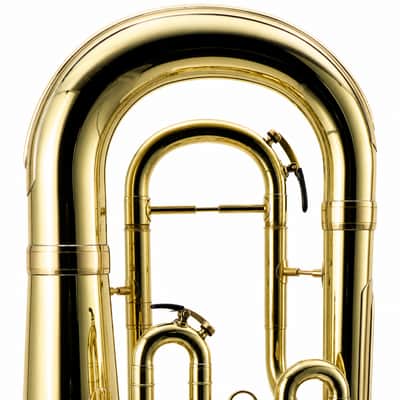
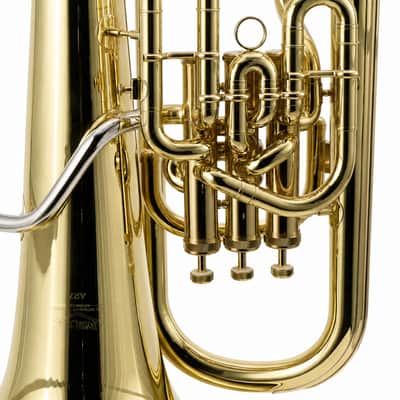

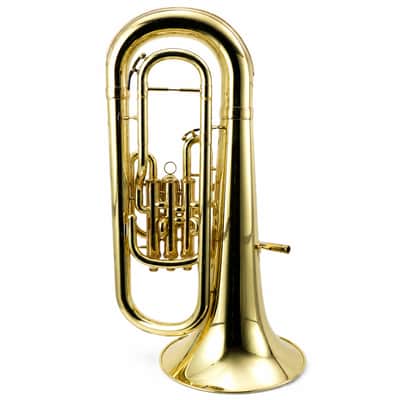
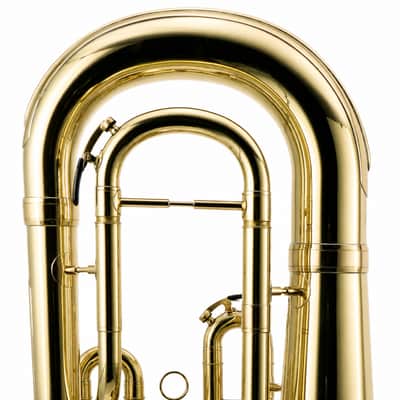
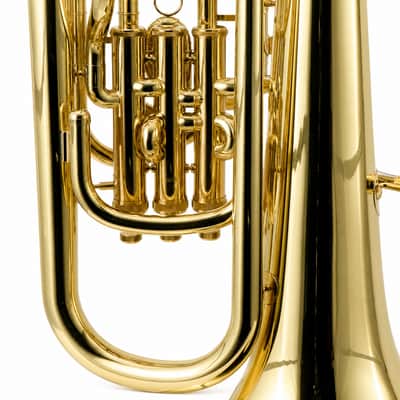
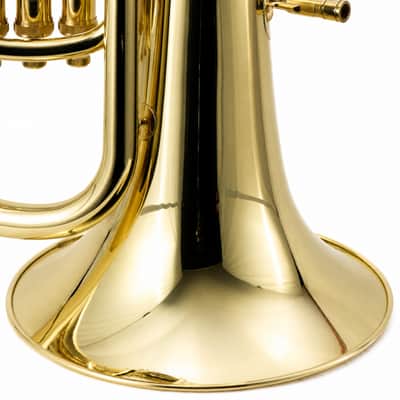
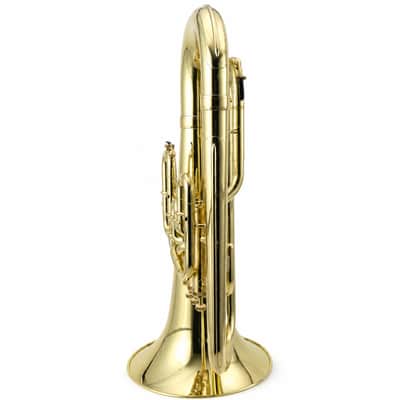

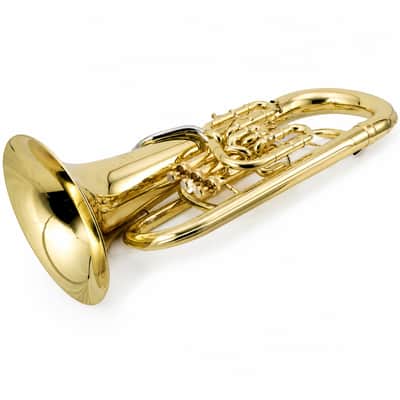
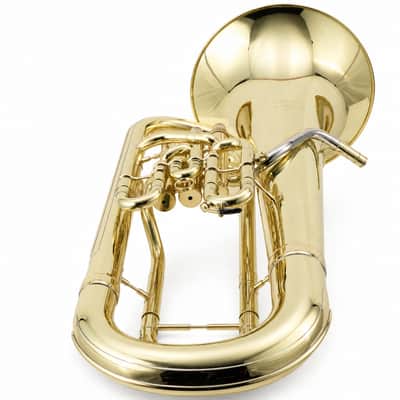
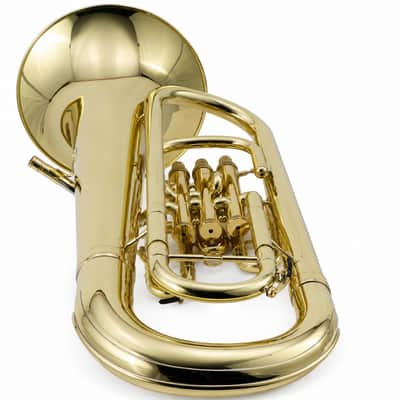


Willson A27 A-Series Student 3-Valve Compensating Bb Euphonium SN A10167
This seller has not set a shipping cost for Finland. Please contact them to ask about shipping.



30-Day Return Policy
Enjoy peace of mind with your new gear
Our users rate Reverb
Willson A27 A-Series Euphonium Overview
The Willson A27 is an A-Series Bb euphonium designed for school programs and developing players who want the tuning benefits of a compensating system in a straightforward three-valve instrument. Its approachable small-shank configuration and established Willson construction make it a practical choice for concert band, lessons, and ensemble development.
Willson A27 A-Series Euphonium Specifications
- Instrument Type: 3-valve compensating euphonium
- Key: Bb
- Bore Size: .590 inch (15 mm)
- Bell: 11-inch yellow brass upright bell
- Valves: Three stainless steel top-action pistons
- Finish: Clear lacquer
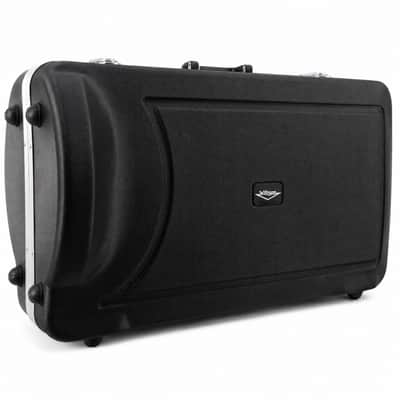
- Case: Fitted Willson-branded hard case
- Accessories: Mouthpiece, Ultra-Pure valve oil, Ultra-Pure tuning-slide lubricant, and polishing cloth
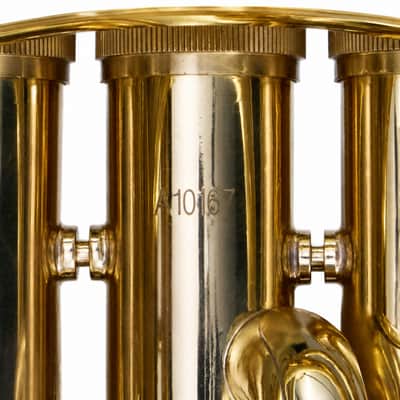
- Serial Number: A10167
Condition & Setup
This lightly used instrument is in excellent playing order and has been professionally serviced, set up, and play-tested. It is in very good cosmetic condition overall, with bright lacquer and light superficial scratches and scuffs around the valve section. The fitted hard case and listed accessories are included.
Who the A27 A-Series Euphonium Is For
The A27 is best suited to student and advancing school musicians who want a full euphonium voice and improved tuning support without moving to a more complex four-valve instrument. Its .590-inch bore and upright yellow brass bell support a centered ensemble sound, while the three-valve layout remains familiar and manageable. Players who require an extended chromatic low register should compare it with a four-valve compensating euphonium.
Common Questions About the Willson A27
What does the three-valve compensating system do?
The compensating system adds tubing when the third valve is used with other valves, improving the tuning of commonly sharp valve combinations without requiring manual slide adjustments.
How does the A27 differ from the Willson A23 and A24?
The A27 uses a .590-inch bore and a three-valve compensating system. The A23 has three non-compensating valves, while the A24 has four top-action valves and a smaller .571-inch bore.
When should a player consider a four-valve compensating euphonium?
A four-valve compensating instrument is appropriate when the player needs greater facility and chromatic capability in the extended low register. The A27 favors a simpler three-valve format for school and developing ensemble use.
We are proud to be an authorized Willson dealer
| Listed | 2 days ago |
|---|---|
| Condition | Excellent (Used) Excellent items are almost entirely free from blemishes and other visual defects and have been played or used with the utmost care.Learn more |
| Brand | |
| Model |
|
| Finish |
|
| Categories |
Product safety information may be available here.

