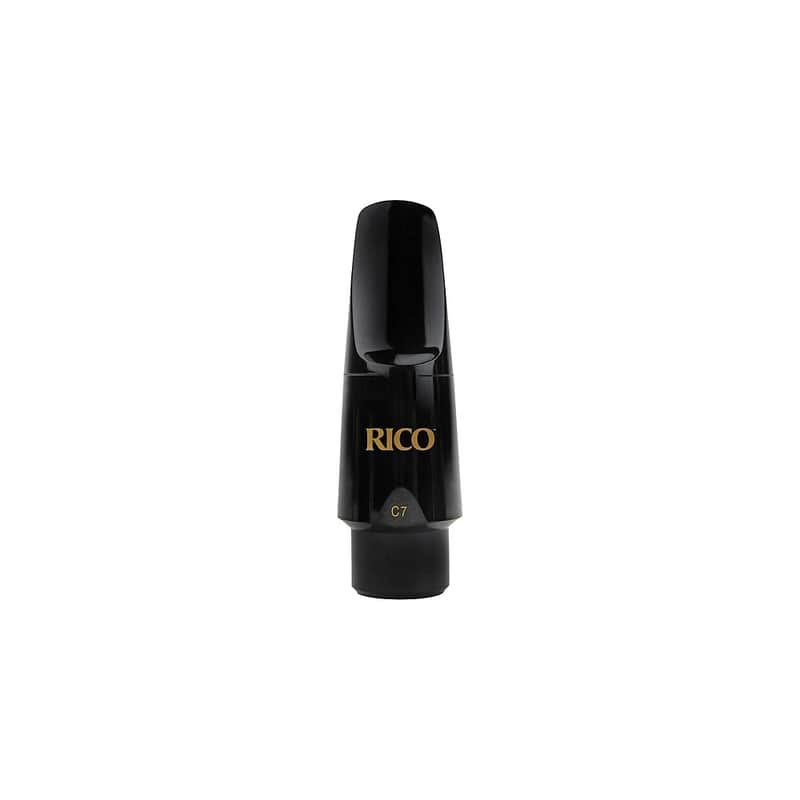
Rico Graftonite Alto Saxophone Mouthpiece Regular C Chamber / 7 Facing
Voir les annonces similaires
Ce vendeur n'a pas défini de coût d'expédition pour la localisation France. Veuillez prendre contacter avec lui pour lui demander plus de détails sur l'expédition.
Prix d’origine€30.61
Baisse de prix de 11%
Nouveau prix€27.54
TVA incl.
+ Expédition

Plus qu’un exemplaire
Ne le laissez pas passer
Mis en ligne:il y a plus d'un mois
Vues:82
Ajouts aux favoris:0
Offres:0

Kansas City, MO, États-Unis

Rarissime
Ces articles ne sont pas souvent disponibles

Politique de retour de 30 jours
Profitez de votre nouveau matériel en toute sérénité
Nos utilisateurs évaluent Reverb
** Item Specific Details ** Light mark on beak. ** This item was returned in great condition. It looks and plays like new, with only minor signs of use (slight scuffs, etc.).
An absolutely amazing jazz piece for the price. The Rico Royal Graftonite pieces offer great projection and an even sound at a most affordable price.
Tone Chamber Style (A, B, or C): The tone chamber of a mouthpiece is the inside area of the mouthpiece. The size and shape of the tone chamber will change the tone quality of the instrument. With the Rico Royal mouthpieces, an "A" tone chamber will give a dark sound which is best suited for concert work, a "B" tone chamber will give a little more brilliance (better for using with most bands), and a "C" tone chamber will give a lot more brilliance and edge which is great for rock and jazz bands.
FACINGS
Facing (3, 5, or 7): The facing is determined by the distance from the tip of the reed to where it first touches the mouthpiece. The bigger the facing number, the farther back the reed goes before actually touching the mouthpiece. Changing the facing of the mouthpiece will generally change the volume of the instrument. With a shorter facing (3), less of the reed is vibrating, so the instrument will tend to be quieter, with a longer facing (7), more of the reed is vibrating, so the instrument will tend to be louder.

| État | Stock B (occasion) Le matériel en état « Stock-B » n'est vendu que par un vendeur autorisé ou un fabricant mais l'article a quelques petites imperfections.En savoir plus |
|---|---|
| Marque | |
| Modèle |
|
| Finaliser |
|
| Catégories |
Des informations concernant la sécurité des produits peuvent être disponibles ici.

