Compare 23 from kr.638.58
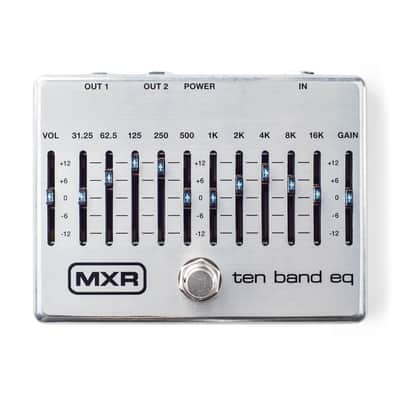
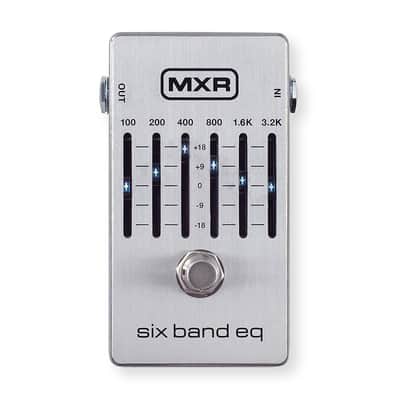
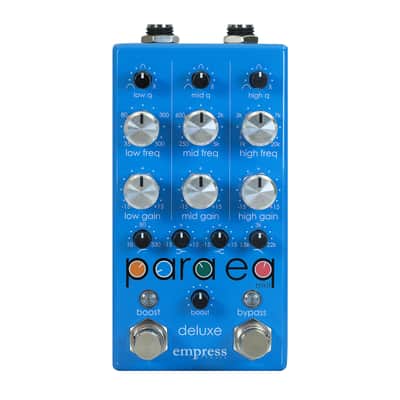
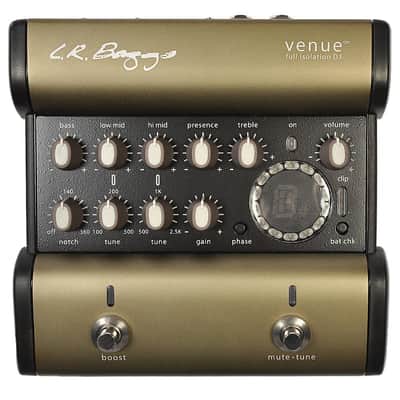
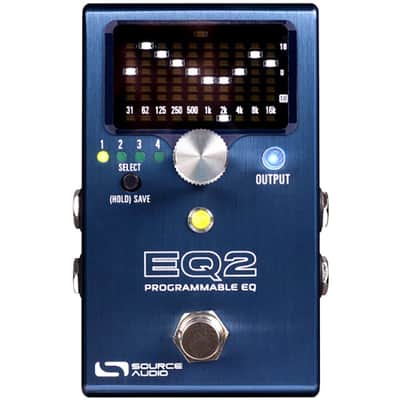
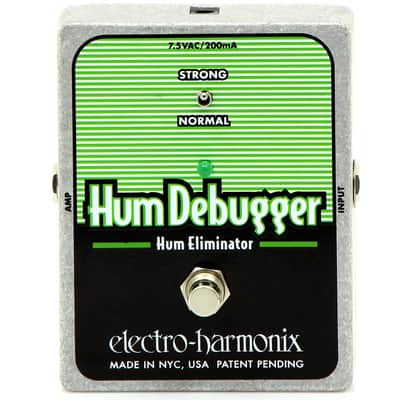

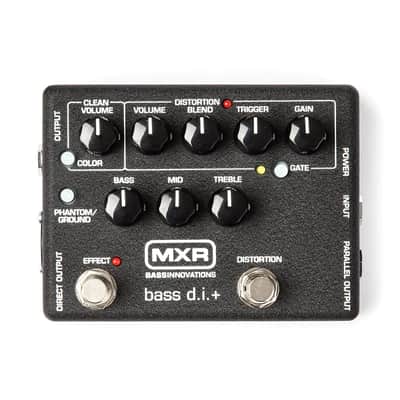
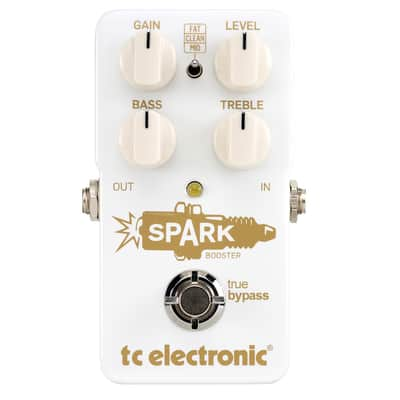
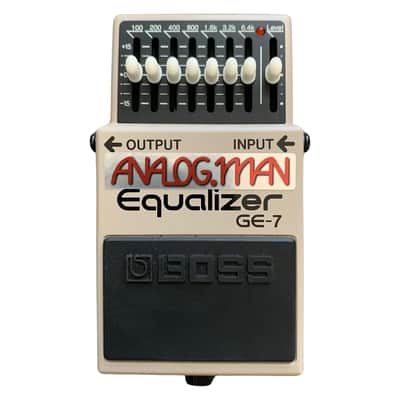


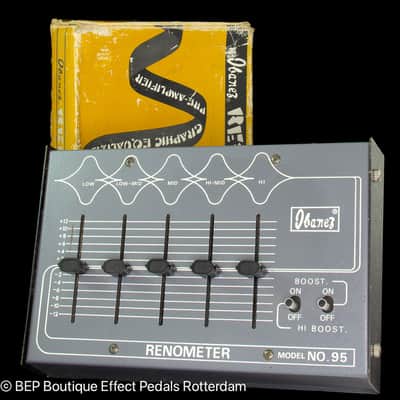


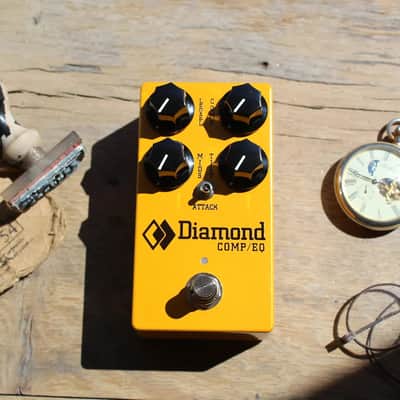
Sound waves are divided into different frequencies, a certain percentage of which can be heard by the human ear. Musicians, producers, and DJs manipulate which of these frequencies are boosted or cut using various devices and applications. This effect is called an equalizer, or EQ for short. They usually come in two flavors: graphic and parametric, the former offering more control over individual adjustments.
Many companies offer equalizer pedals, most of which are graphic EQ pedals allowing for the adjustment of three to 10 frequencies, or bands. The Boss GE-7 and MXR Six Band Equalizer are classic examples which have changed little from their predecessors released in the '70s and '80s. Empress offers an example of a parametric equalizer pedal, the ParaEQ with Boost.
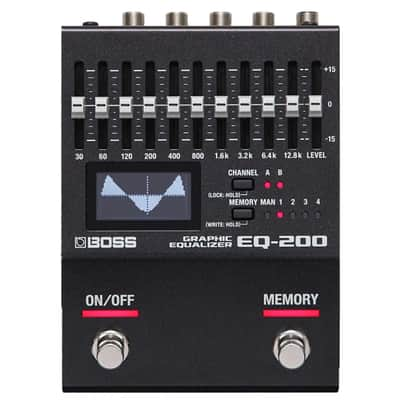
Newer EQ pedals may offer preset saving, programmability, and multiple outputs. Along with an additional footswitch for memory, the Boss EQ-200 features stereo input and outputs, making it a great option for synth players or guitarists who want EQ at the end of their stereo pedalboards.
If you play acoustic or bass guitar, there are several options designed with your specific sonic landscape in mind.
As with many pedals, it depends on what you want to affect. If you just want to tweak your tone or boost your favorite overdrive, placement early in the chain before distortion and fuzz is effective. If your entire sound needs an overhaul, try EQing at the end of your pedalboard or in your amp’s effects loop.
Many guitarists use EQ pedals to boost solos or improve their presence in the mix. If this is your goal, setting your EQ with an upward curve in the middle or an upside-down U is a good place to start.
If you’re not sure how you want to EQ your instrument, start with every slider or knob at 0, putting every frequency at unity gain, then adjust frequencies one at a time, only moving them down into negative settings. Once you have the tone where you want it, you may need to boost the overall level, or adjust every setting higher the same amount to get back to the desired volume.
Your purchases help youth music programs get the gear they need to make music.