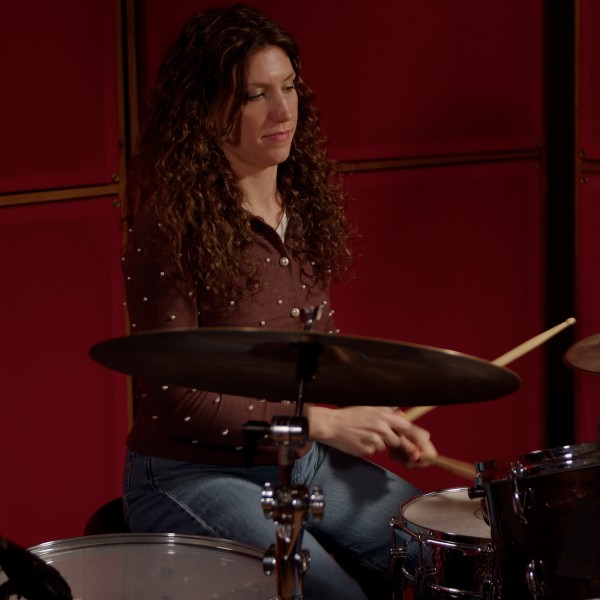
After a decade of big, glossy, heavily processed drums, a new sound took over—raw, aggressive, and grounded in the room. Few tracks capture that change better than a particularly iconic 1990s track: Nirvana’s "Smells Like Teen Spirit."
In this episode of Drums Through the Decades, we break down how that sound came together—and why it defined an era.
The early ’90s still had some of the ’80s sheen, but grunge pushed things in a different direction. Less flash, more impact. On Nevermind, the drums feel massive without sounding artificial—leaning on room sound and performance rather than obvious effects.
To recreate it, the setup stays simple: a Gretsch kit, Ludwig Supraphonic snare, Zildjian crashes, and 14-inch hi-hats. The real difference is in the playing—this sound is all about hitting hard and letting it breathe.
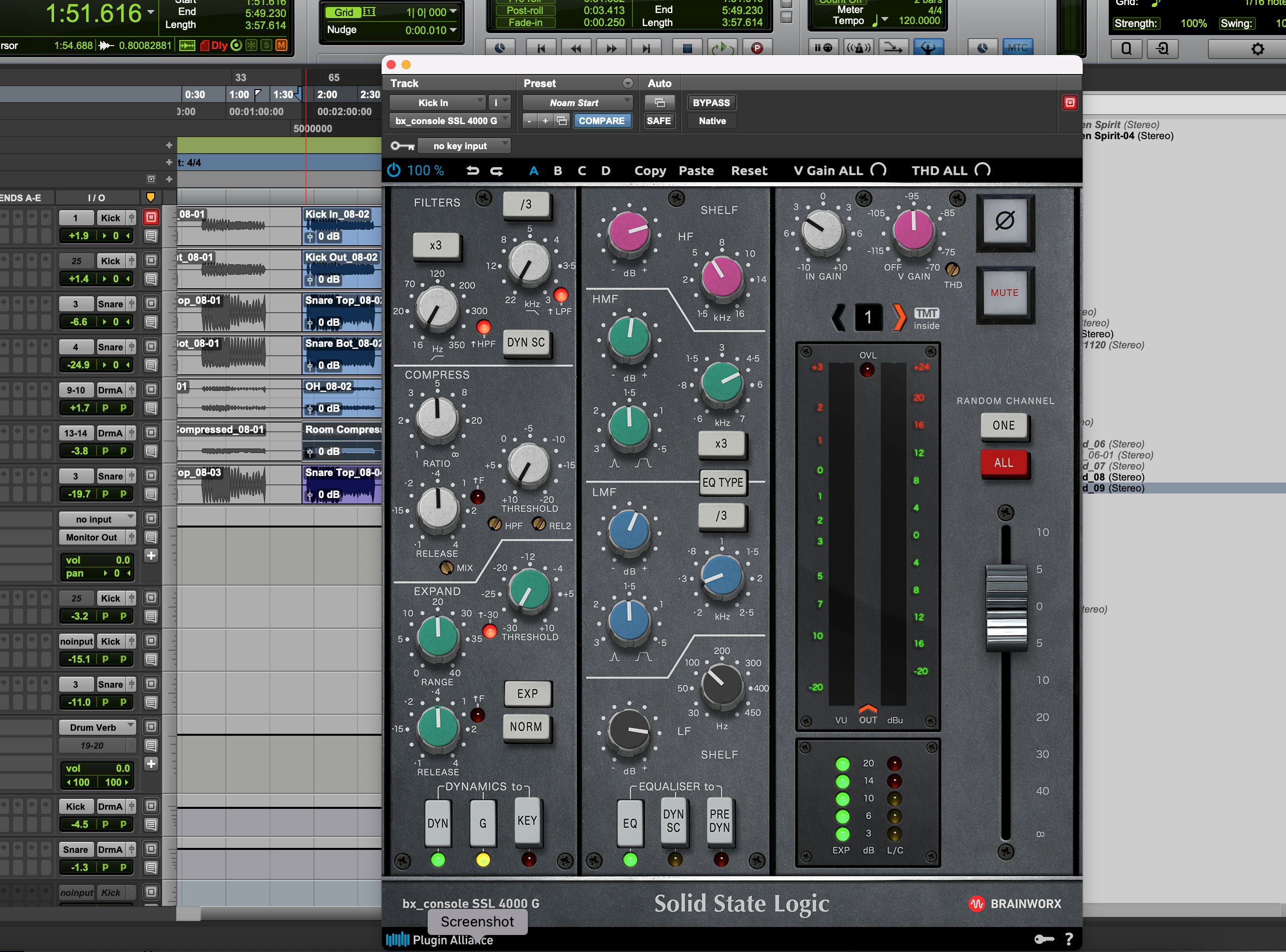
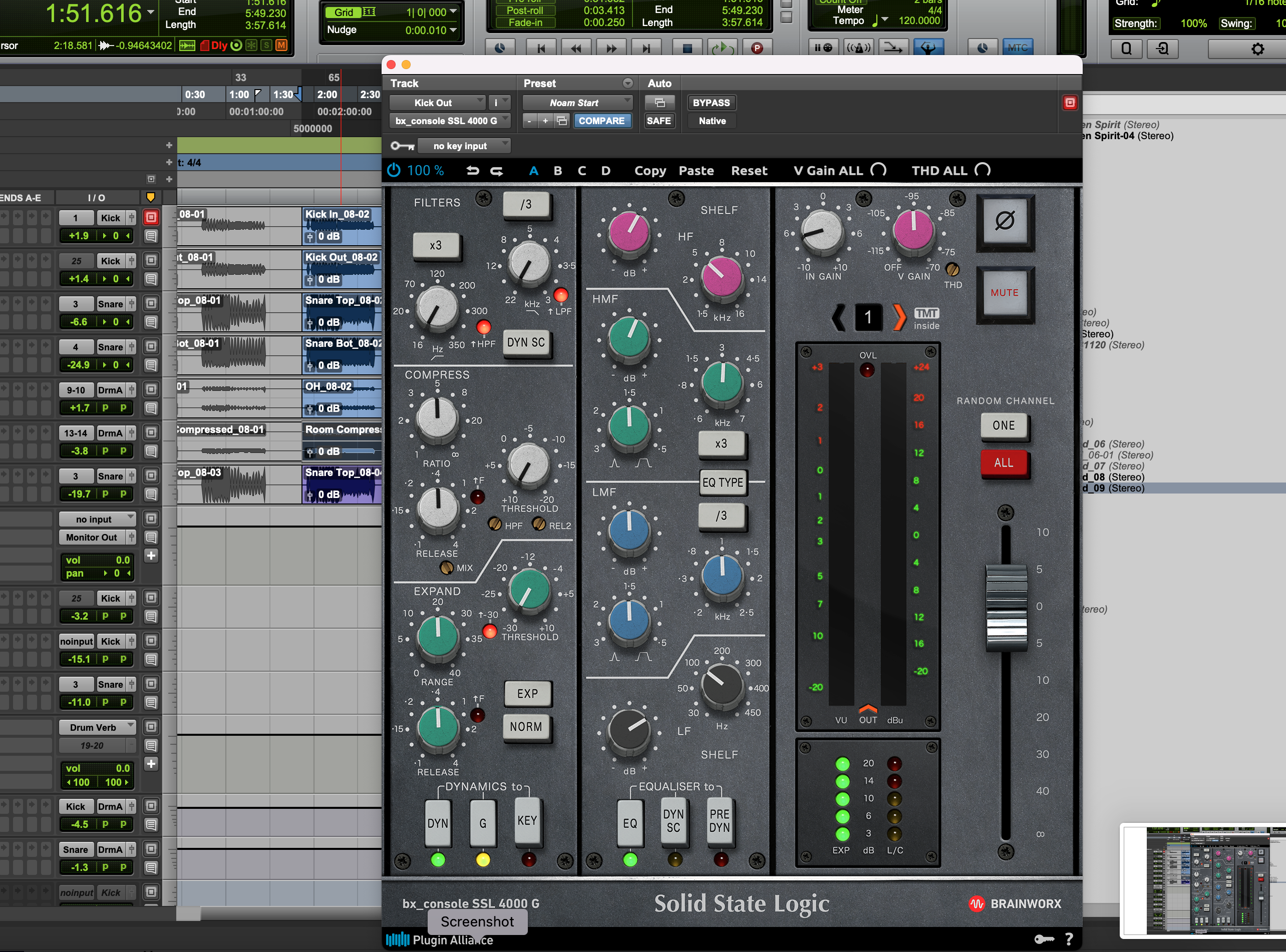
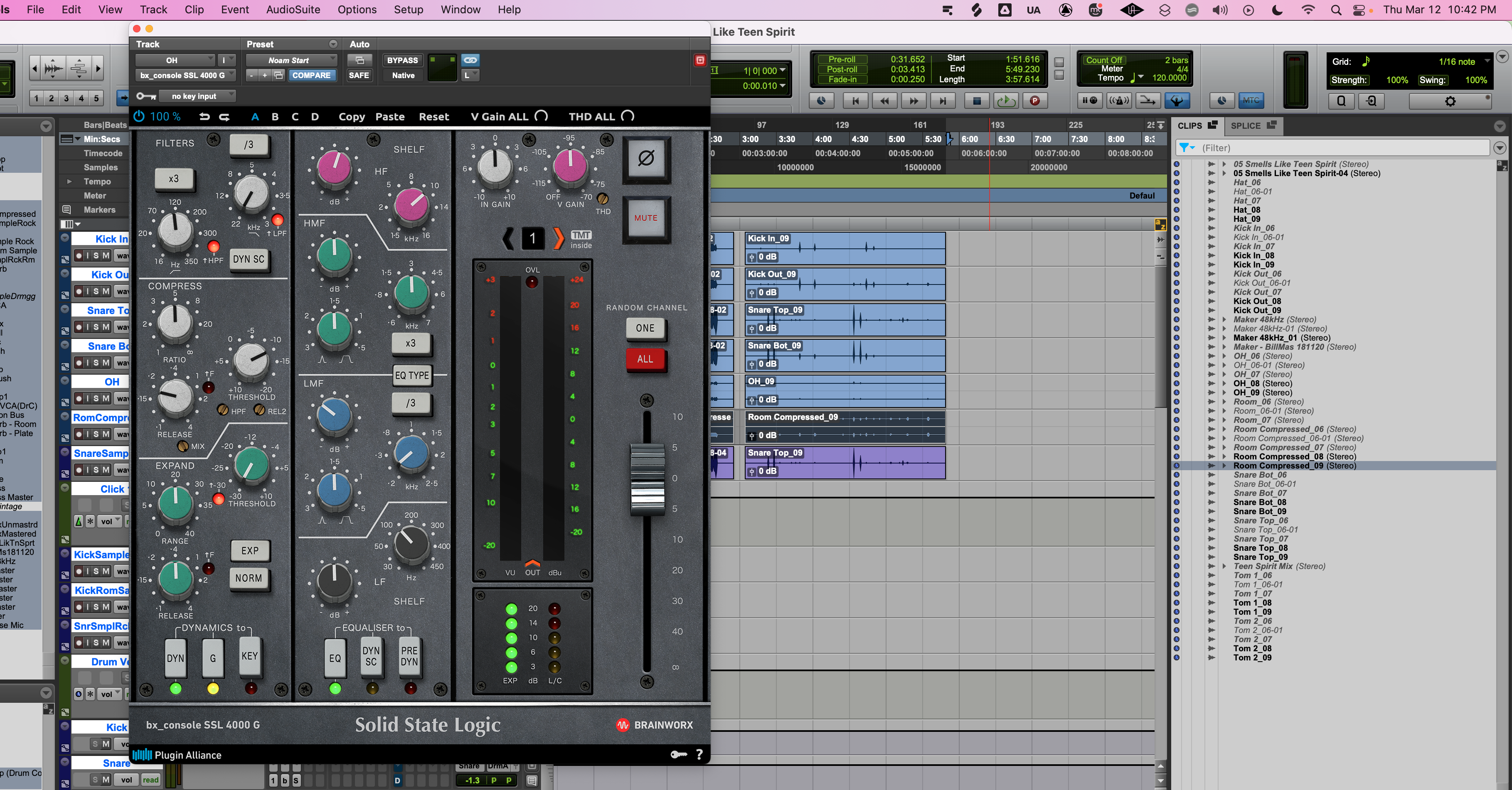
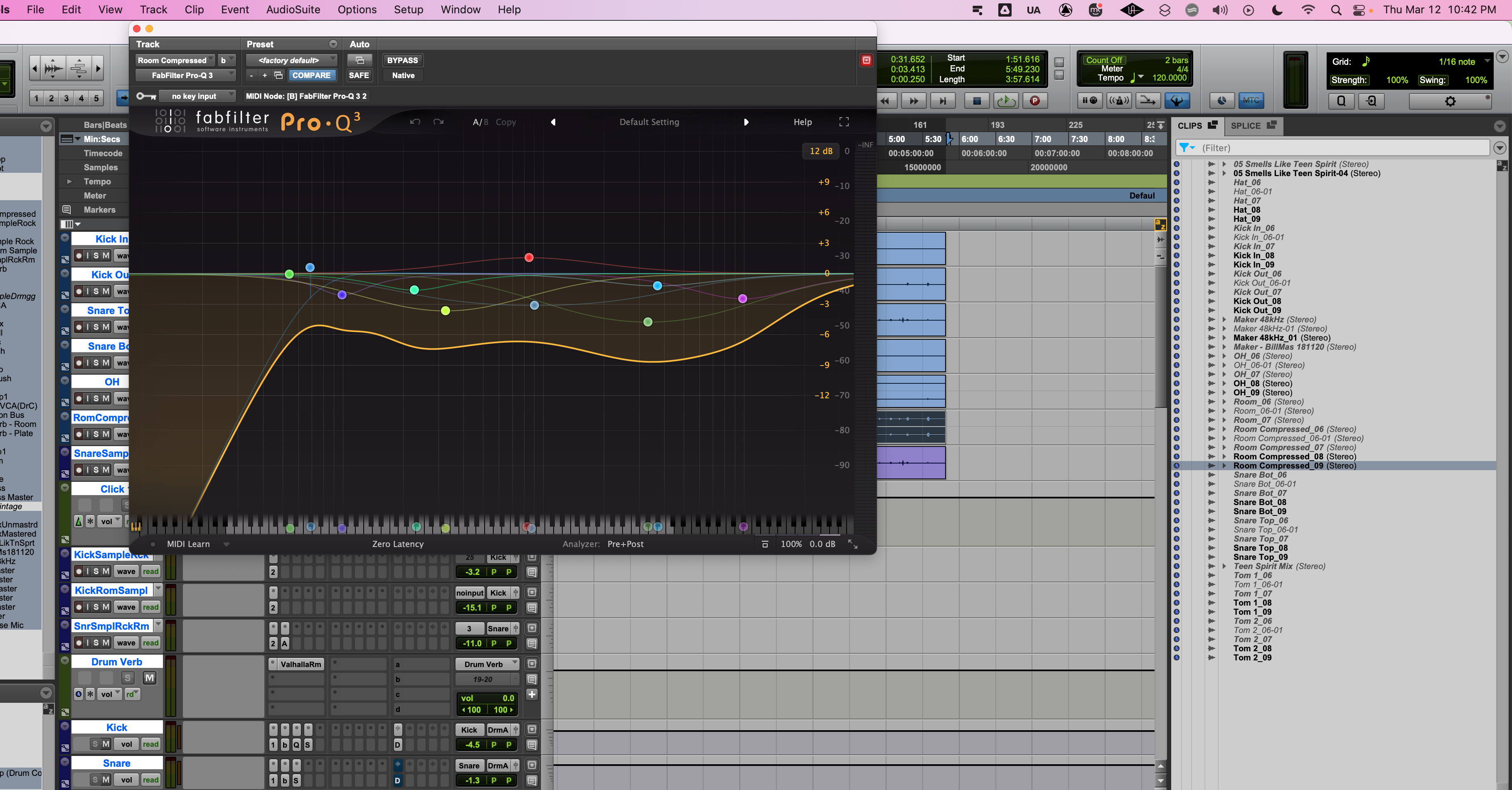
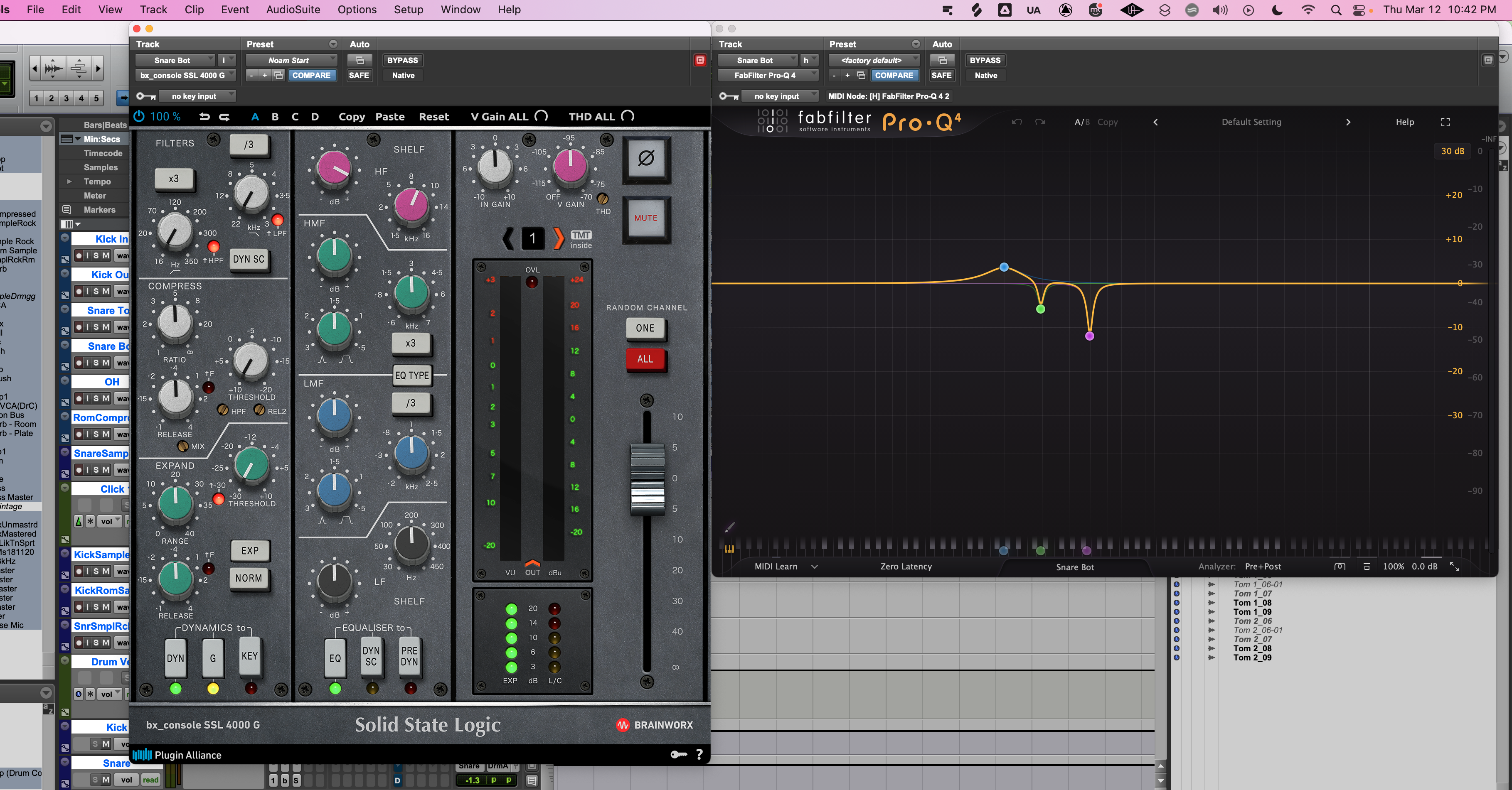
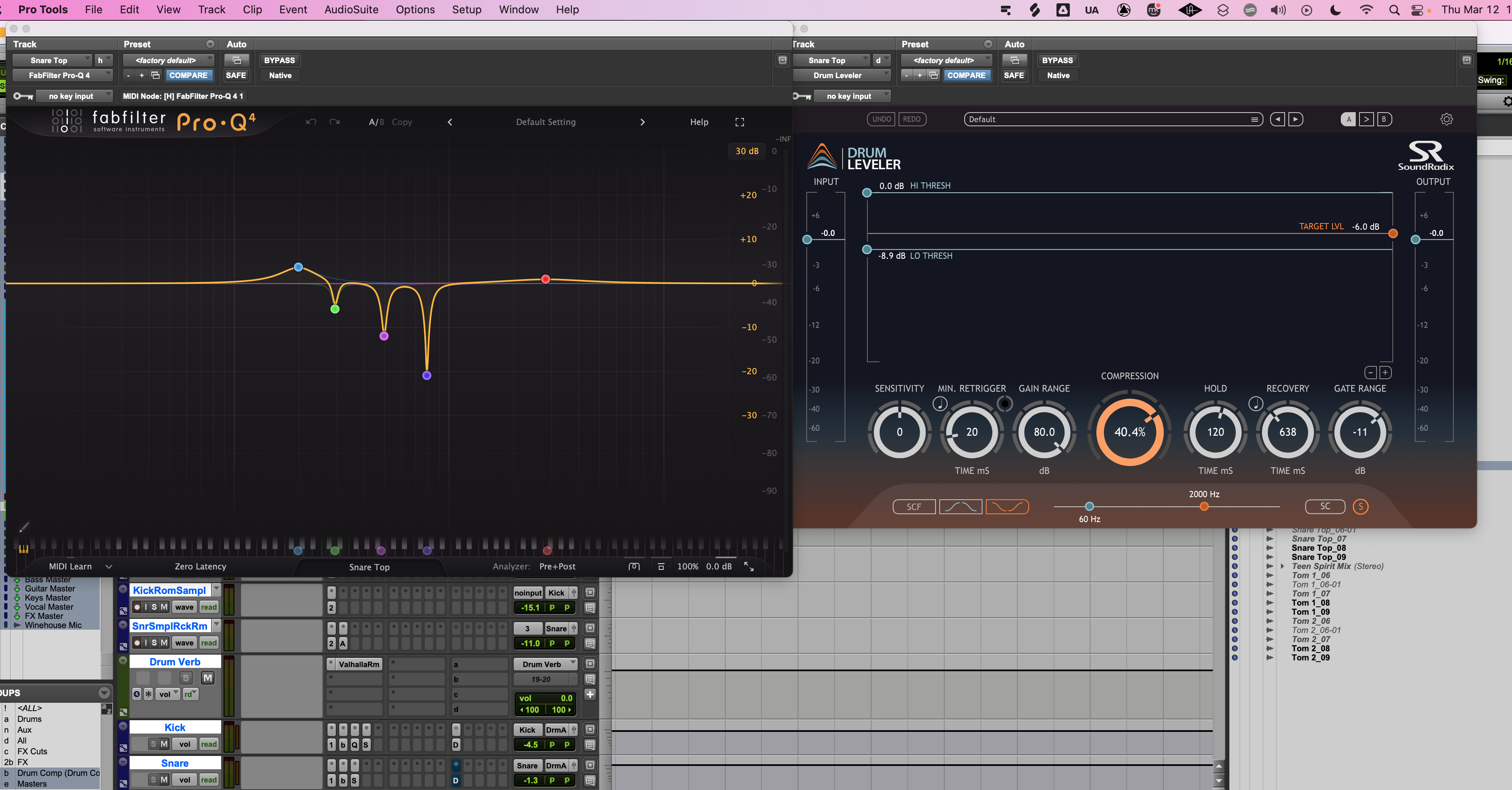
The "raw" sound is still carefully built. On kick, there’s an AKG D12 inside and a FET 47 outside, paired with a "kick cannon" extension that lets low-end develop before it hits the mic. The snare sticks with a classic SM57 into a 1073, plus an AKG 451 on the bottom for added snap. Toms run through 421s, overheads are AKG 414s, and room mics—Neumann U 87s—do a lot of the heavy lifting in shaping the size of the kit.
That room sound is the key difference. Instead of effects defining the drums like they did in the ’80s, everything here is built to feel natural and immediate. There is reverb, but it’s subtle—blended in so it feels like part of the space rather than something sitting on top.
Part of what makes Nevermind so unique is the balance between Butch Vig’s raw, DIY tracking approach and Andy Wallace’s punchy, more polished mix. Together, they created something that felt new—heavy, direct, and unmistakably ’90s. It’s a sound that set the tone for the decade: big, but natural. Processed, but not obvious. All impact.
Watch the full breakdown to hear how it comes together.