Effects and Pedals
- Overdrive and Boost
- Distortion
- Pedalboards and Power Supplies
- Fuzz
- Delay
- Multi-Effect Unit
- Chorus and Vibrato
- Reverb
- Wahs and Filters
- Controllers, Volume and Expression
- Compression and Sustain
- Bass Pedals
- Octave and Pitch
- Preamps
- Phase Shifters
- Loop Pedals and Samplers
- Amp modelling
- Tremolo
- EQ
- Flanger
- Guitar Synths
- Cabinet Simulators
- Tuning Pedals
- Buffer
- Vocal
- Noise Reduction and Gates
- Noise Generators
- Ring Modulators
Shop by Brand
Reverb News
Top Effects and Pedals Categories
Popular in Effects and Pedals
- Compare 34 from £77.80
Multiple Finishes(309)Compare 29 from £109
(246)Compare 41 from £52
Multiple Finishes(268)Compare 46 from £99.62
(139)Compare 21 from £90
Multiple Finishes(103)Compare 15 from £435
(236)Compare 27 from £196.86
(174)Compare 120 from £53
(171)Compare 33 from £56.92
(20)Compare 23 from £112
(18)1 available for £78.37
Multiple Finishes(213)Compare 45 from £100
Deals and Steals
£186.99£186.99Free ShippingUnited Kingdom
£159£159United Kingdom
£180.99£180.99Free ShippingUnited Kingdom
£45.99£45.99Free ShippingUnited Kingdom
Boss GT-8 - Multi-Effects Pedals - Excellent
Used – Excellent£106.99£106.99Free ShippingUnited Kingdom
Carl Martin Classic Chorus - 2nd Hand (166666)
Used – Very Good£43£43United Kingdom14-Day Return Policy
£89.99£89.99Free ShippingUnited Kingdom
Trending Recent Releases
Sell safely on Reverb
Shipping protection, secure transactions,
and a team of experts await.
Vintage Picks
Looking For Your Dream Effect? Reverb's Got You Covered
Effects and Pedals For Sale on Reverb
Imagine Nirvana’s “Come As You Are” without Kurt Kobain’s unique guitar intro, or “Where The Streets Have No Name” by U2 without The Edge’s rhythmic delay, or St. Vincent performing “Cruel” without its fuzz guitar melody. Many of the sounds heard in the rock, pop, jazz, reggae, and punk of the last 60 years would not be possible without chorus, delay, and other effects, which can take the form of huge rack or desktop units, or compact stompboxes with convenient footswitches.
Sometimes effects are designed—to various degrees of success—to emulate practical effects or devices, such as a damaged or rotary speaker. Other times, guitar pedals were made to bring studio tricks, like tape flanging and compression, to the stage or home.
What do guitar pedals do?
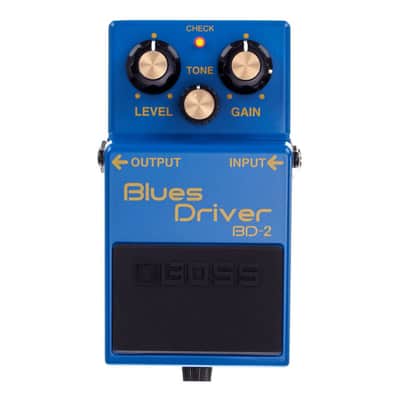
Most guitar effects pedals change the sound of an electric guitar, bass, or other instrument before it reaches full amplification. However, some may provide simple utilities, such as selecting an amp or helping the user tune their chosen instrument.
How do you use guitar pedals?
Most effects pedals have an input that you plug the instrument into with a 1/4-inch cable. The output (or outputs, in the case of stereo effects) is then connected to an amp, other pedal, or recording interface with another cable.
Most pedals require some type of power, batteries or an external power supply, often providing nine volts. If you have several pedals, you’ll probably want a dedicated pedalboard power supply. Check out our pedalboards guide for suggestions.
Once the pedal is plugged in and has power, press the footswitch and adjust the settings to taste. Some pedals may have additional switches for changing presets, setting tempo, or engaging secondary effects. Other pedals, such as a wah, may turn on in slightly different ways. Consult the provided manual or the manufacturer’s website for details.
What types of guitar pedals are available?
Effects pedals can do everything from simply making an instrument louder to making it sound like some previously unimagined instrument from another reality. For decades, dirt boxes—divided into boost, overdrive, distortion, and fuzz categories—have been some of the most popular and recognizable guitar effects.
As engineers developed new techniques and tech companies made electronics smaller and cheaper, effects that were previously only achievable with larger units (such as tape echo) found their way to guitarist’s feet. Musicians have used pedals to add delay, reverb, octaves, harmony, compression, and all kinds of modulation to their sound.
Multi-effect pedals have existed for decades, but computing and sound processing technology has improved enough that newer multi-effects can achieve results similar to even the most complex analog pedals, and even model amplifiers.
What guitar pedals should I get?
Many guitar players report that a distortion pedal was their first effect. They’re often straightforward enough for novice players to understand quickly. If your amp or modeling software already provides the gain you want, a delay and modulation pedal is an excellent option.