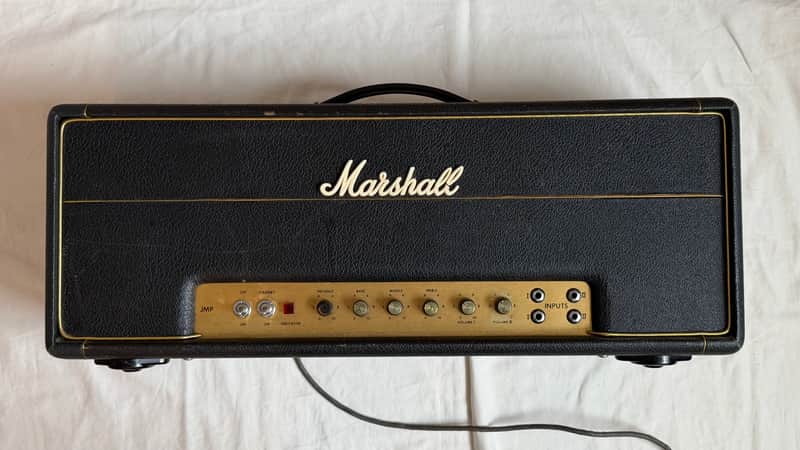
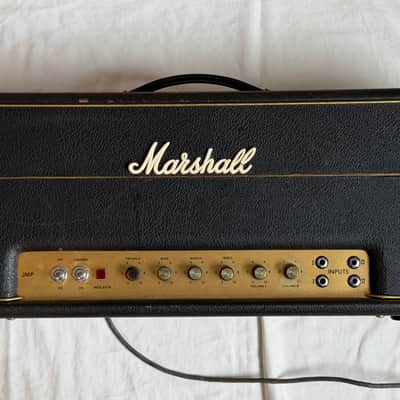
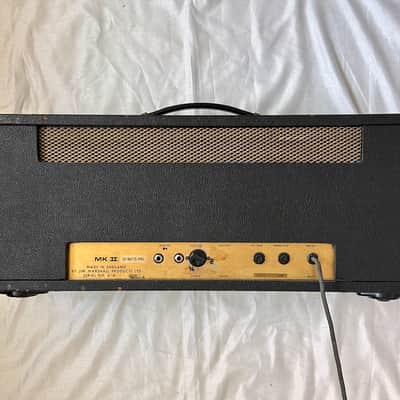
1975 Marshall JMP 50W Model 1987 Lead Head – Original Drake Transformers – ST1 PCB – Vintage Mustard Caps - NO TARRIF!!
This seller has not set a shipping cost for Luxembourg. Please contact them to ask about shipping.


Our users rate Reverb
NOTE - NO TARRIF on this AMP
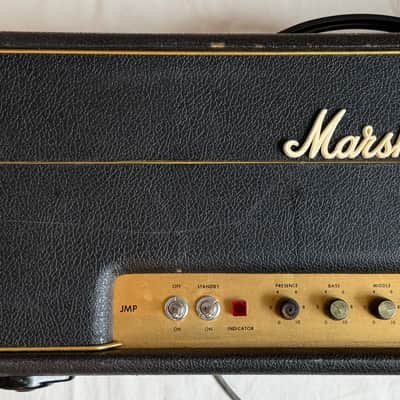
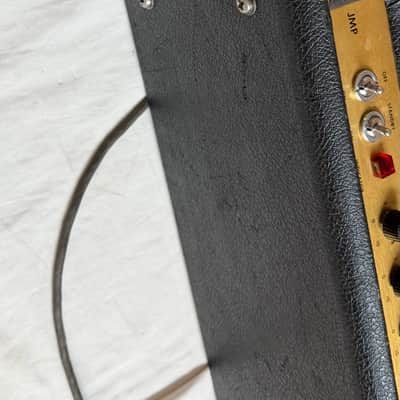
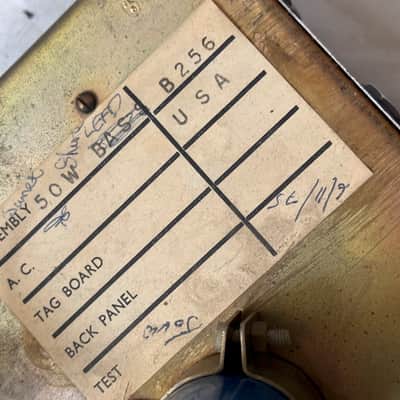
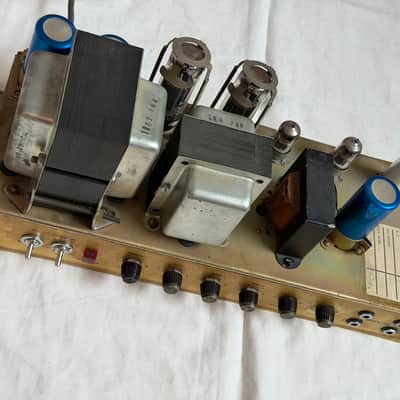
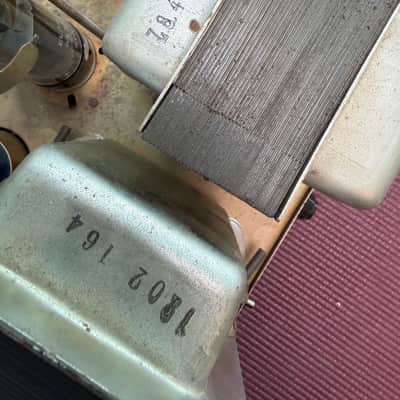
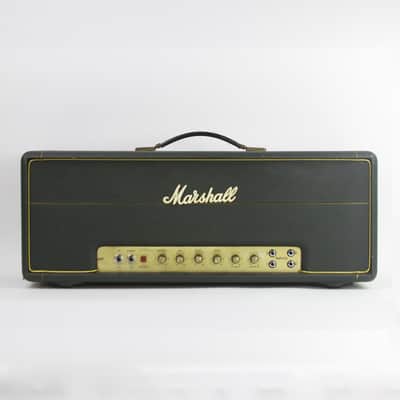
For sale is a very clean and honest mid-1970s Marshall JMP 50-watt non-master-volume head. Based on the transformer and component date codes, this amplifier appears to date from approximately 1975.
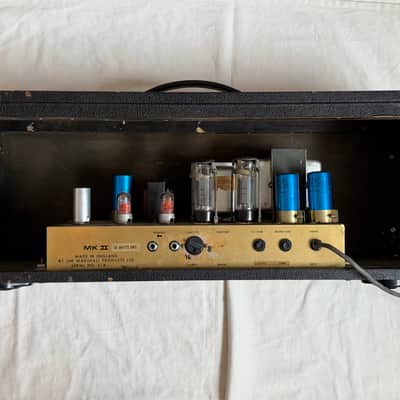
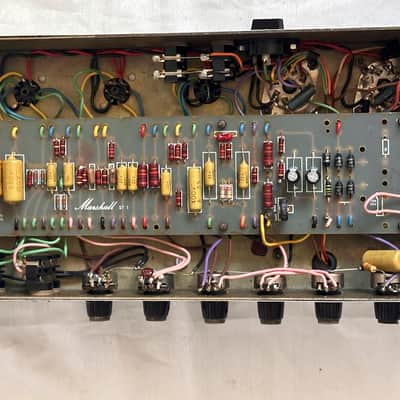
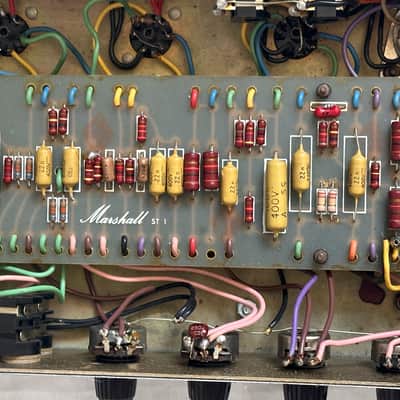
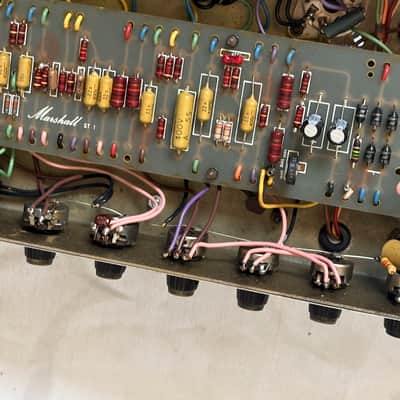
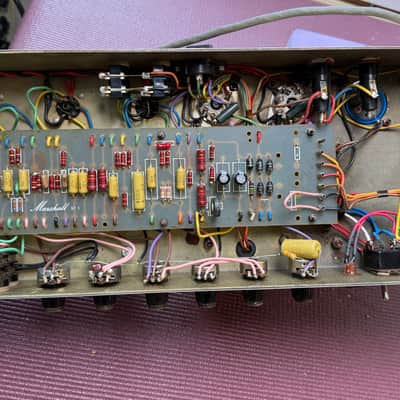
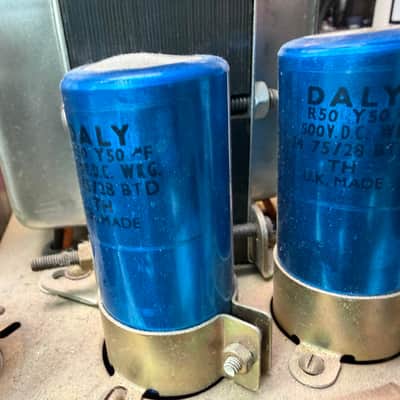
Internally, this is one of the nicest and most unmolested examples I’ve owned. The amplifier retains its original ST1 Marshall PCB, original Drake transformers, original wiring harness, original ceramic tube sockets, and the original Philips/Mullard mustard capacitors throughout the preamp and phase inverter.
Unlike many JMPs from this era, this amplifier does not appear to have undergone the common modifications often found on vintage Marshalls. I do not see evidence of extra gain stages, cascaded inputs, aftermarket master volume installations, effects loops, diode clipping modifications, or other significant circuit alterations. The layout remains exceptionally clean and factory-looking.
The only servicing that is readily apparent consists of normal maintenance items expected on a 50-year-old amplifier, including replacement electrolytic capacitors in the bias supply and a few other routine service components. There also appears to be one professionally repaired PCB trace in the bias section. These repairs do not appear to alter the original circuit design.
From my inspection, the amplifier appears to be populated as a Lead-spec circuit, consistent with a Model 1987 50-watt Lead. However, as with all vintage Marshall amplifiers, I cannot guarantee that every individual component is factory original or that the amplifier has never been serviced during its lifetime. Buyers should make their own assessment from the detailed photographs provided.
Features
- Approximately 1975 production
- Marshall ST1 printed circuit board
- Original Drake transformers
- Original ceramic tube sockets
- Original Philips/Mullard mustard capacitors
- Original carbon film resistors
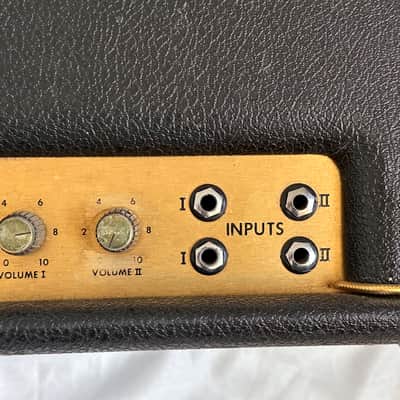
- Four-input non-master-volume circuit
- Very clean, factory-style wiring throughout
- Serviced only with routine maintenance items where appropriate
The amplifier has been well cared for and presents as a very honest example of one of Marshall’s most desirable non-master-volume JMP circuits.
Condition
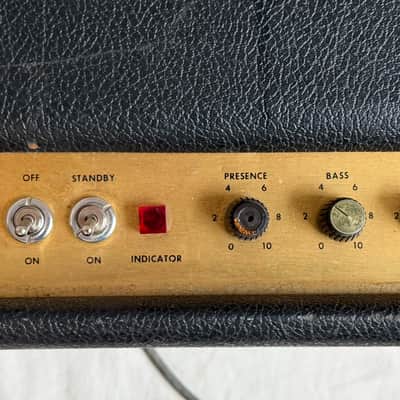
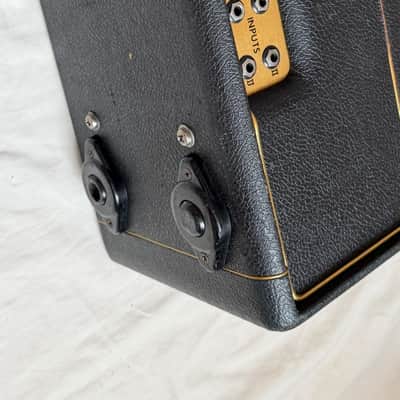
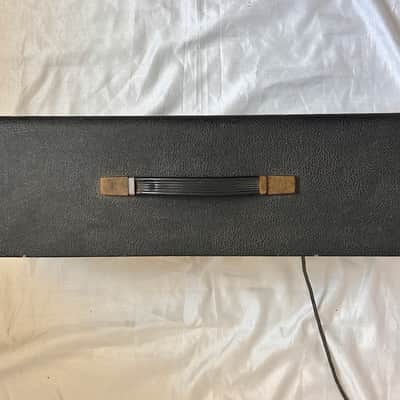
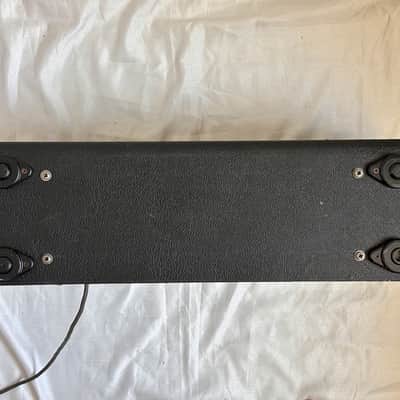
Very good vintage condition with normal cosmetic wear consistent with age. Please study all photographs carefully, as they form part of the description.
Please Note
This is a 50-year-old vintage amplifier. It is being sold as a vintage collectible electronic instrument. While it has been inspected and appears to be an exceptionally original example, I make no representation or guarantee that every component is factory original, nor do I guarantee the originality of any individual resistor, capacitor, transformer, solder joint, or other part. The photographs are intentionally detailed so prospective buyers can make their own assessment.
Due to the age of the amplifier, it is sold as described. Please ask any questions before purchasing.
This item is sold As-Described
This item is sold As-Described and cannot be returned unless it arrives in a condition different from how it was described or photographed. Items must be returned in original, as-shipped condition with all original packaging.Learn More.
| Listed | a month ago |
|---|---|
| Condition | Good (Used) Good condition items function properly but may exhibit some wear and tear.Learn more |
| Brand | |
| Model |
|
| Finish |
|
| Categories | |
| Year |
|
| Made In |
|
| Power Tube Type |
|
| Number of Channels |
|
| Electronics |
|
| Direct Output |
|
| Number of Inputs |
|
| Impedance |
|
| Reverb |
|
| Color Family |
|
| Output Power (Watts) |
|
Product safety information may be available here.

